The Rhythm of Onsen & Cedar: Kyoto's Ancient Hospitality
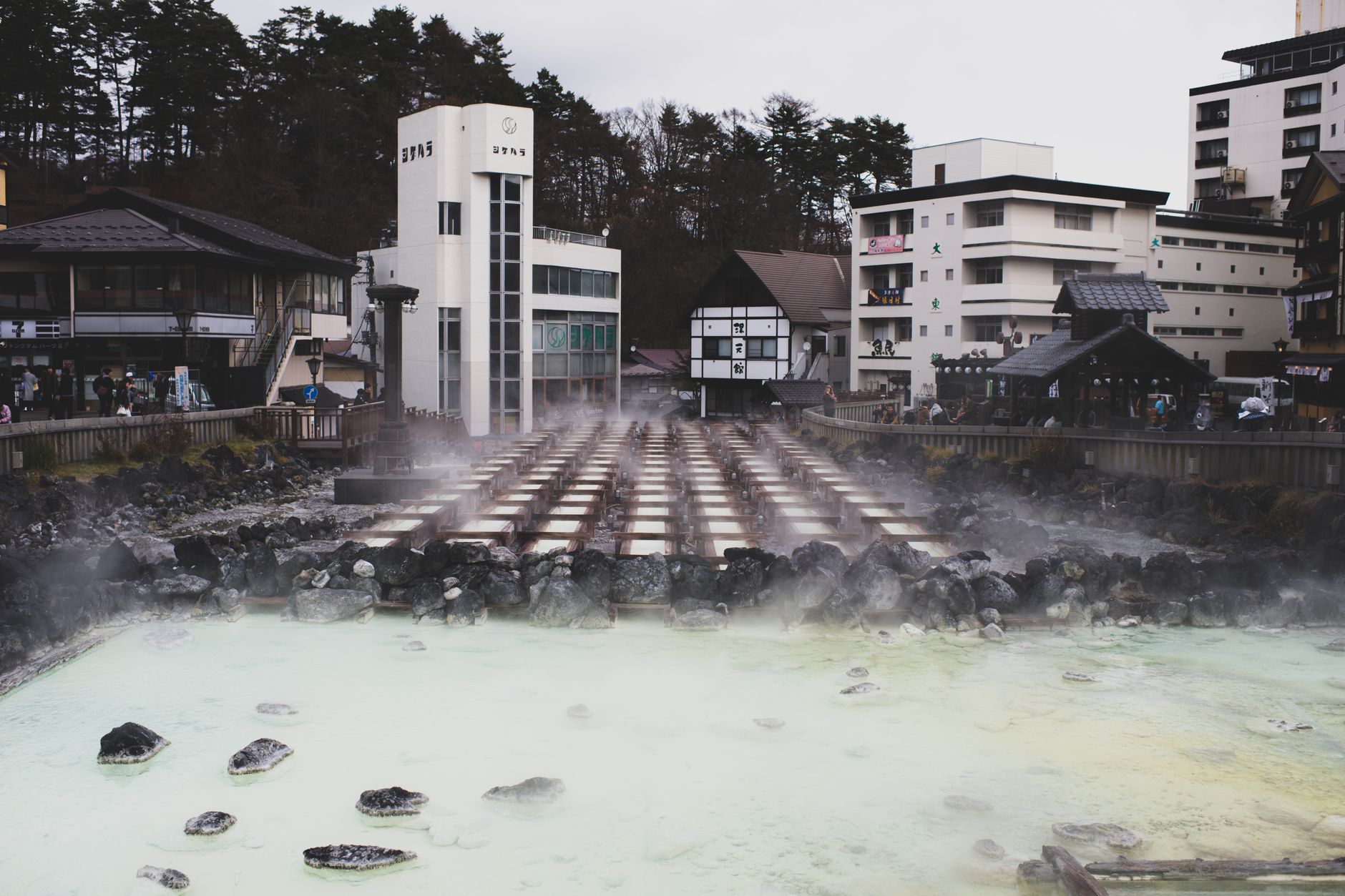
The rain in Kyoto does not merely fall; it softens the world. As morning mist descends upon the slopes of Higashiyama, cedar eaves drip onto smoothed river stones, signaling the opening of another quiet dawn in the old capital.
Entering a centuries-old ryokan requires a recalibration of modern senses. You step past sliding wooden shoji screens, take off your worn travel boots, and step onto fresh tatami reed mats. The immediate scent is vegetal and calming—reminiscent of dried grass, cured hinoki cypress, and charcoal smoke from the hearth.
The Architecture of Subtraction
Unlike Western luxury suites defined by ornamental excess, Japanese hospitality—known as omotenashi—celebrates restraint. In the central chamber of the ryokan, furniture is sparse: a low zelkova wood table, two cushioned seats, and a solitary alcove called a tokonoma. Inside the alcove hangs a seasonal calligraphy scroll accompanied by a single branch of blooming plum.
This deliberate emptiness creates space for mental decompression. There are no buzzing digital displays, no intrusive fixtures. Light filters gently through washi paper screens, transforming harsh daylight into an amber glow that mimics dusk.
Key Considerations for Visiting Higashiyama:
- Reserve your stay at least four to six months in advance to secure traditional preservation properties.
- Arrive strictly during designated check-in hours to respect the kaiseki preparation schedule.
- Turn off mobile notifications upon crossing the threshold to honor communal tranquility.
Water, Heat, and Stone
At dusk, guests slip into light indigo cotton yukata and descend flagstone corridors toward the bath. Submerging into natural geothermal waters encased in aromatic cedar planks dissolves the residual fatigue of long flights and steep temple walks. The quiet rhythm of natural water dripping into the basin reminds you that true recovery cannot be accelerated.
Dinner arrives not as an extravagant buffet, but as a twelve-course kaiseki symphony. Every ceramic dish, chosen to echo the current week of autumn, offers subtle flavors: simmered lotus root, roasted chestnuts, sea bream garnished with yuzu zest, and steaming dashi broth.
Plan Your Cultural Immersion
Our editors curate personalized Kyoto and Kansai itineraries focusing on historic guesthouses.